The most common question I get asked when people find out I’m a published author is, “So, how many books have you sold?” It’s a question I’ve always felt a little weird about—and to understand why, we’ve got to go back in time a bit.
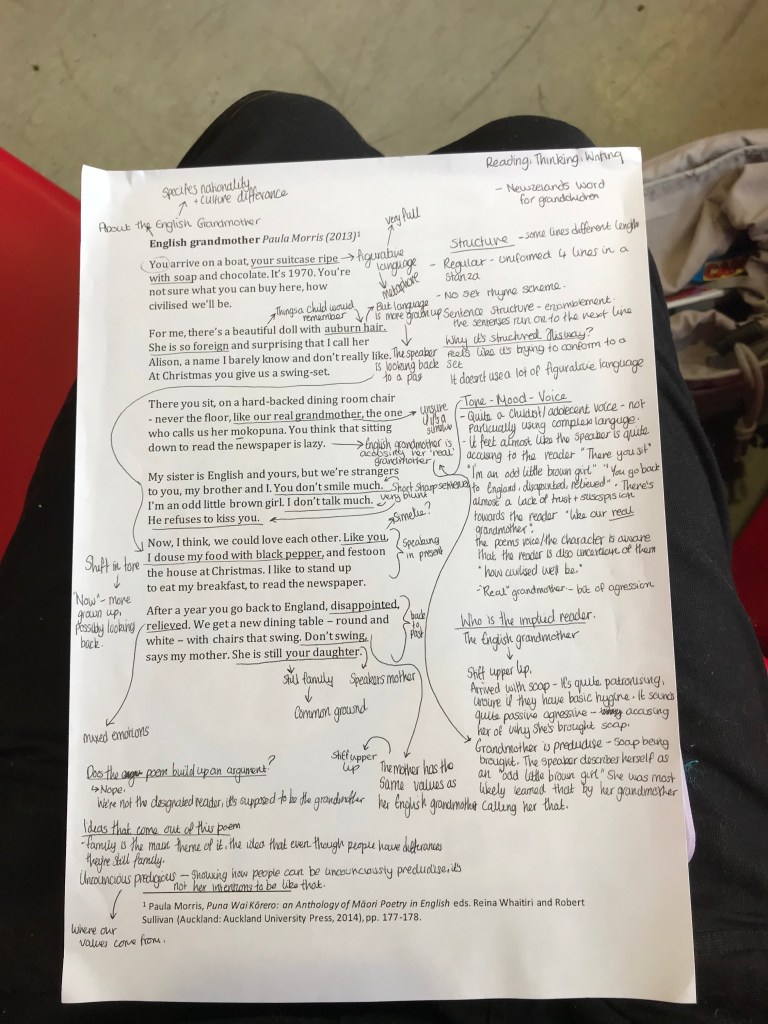
During one English class when I was in secondary school, my teacher came over to my desk, read the poem I had just finished, looked at me with a smile, and said, “Well, poetry might not be for you.” I’d been writing poems since I was ten, had shared them proudly with the class and with my teachers in primary school, and knew I wanted to write poems one day (after I’d finished writing a grand fantasy adventure, of course). That day, and that comment from my English teacher, shattered my confidence in my poems. I didn’t write a single poem again until I was eighteen.
In my first year of university, I had to take a compulsory poetry module—and I dreaded it. I was terrified of failing the unit because poetry wasn’t for me. My English teacher had told me that all those years ago. I refused to share my work with the class during that module, and I got some pretty odd looks for it. What kind of person doing a degree in Creative and Professional Writing is scared to share their work?
Somehow, I passed the poetry module.
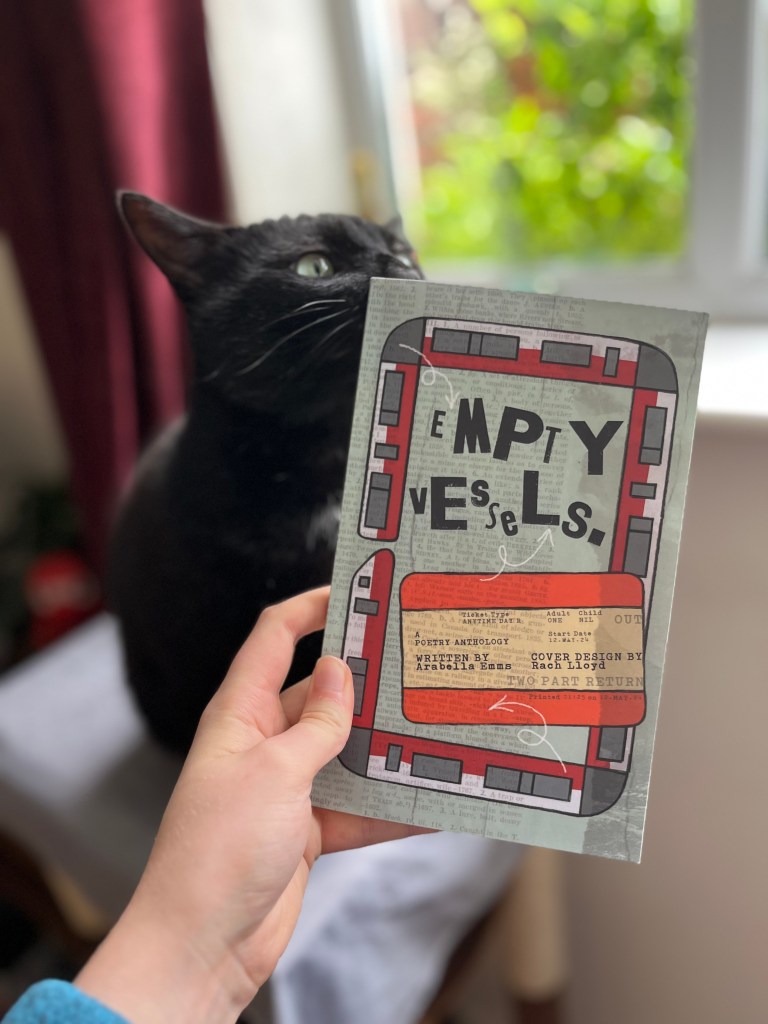
I passed the module with flying grades, and by the end of it, I realised I loved writing poetry so much that I was going to take the advanced module in my second year. I loved the advanced module so much, I decided to do my dissertation in my third year on poetry. That dissertation included 25 poems that would later become part of my poetry collection that is now sold all around the world.
So, why did I share that little trip down memory lane?
I believe it’s important to understand why you want to write a book. It’s no small feat—writing a book, no matter if it’s poetry or prose. There will be many, many times you want to quit. In those moments, you need to be able to remind yourself why you’re doing it. Knowing that reason also helps you work out your metric of what success is—and what it will look like for you.
From day one, my publisher knew that Empty Vessels, my debut poetry collection, was a passion project. It’s not that I don’t want to make money from it, but this collection was going to be for me.
My metric of success wasn’t going to be how much money I made from it (the first thing our poetry teacher at uni told us in her class was to never expect poetry to make you money), nor was it going to be five-star ratings or awards—if it ever did get any. No, my goals were much smaller.
Now, having smaller goals for your book—or non-book goals—doesn’t make them any less important or valuable, nor does it mean that you are selling yourself short or doubting yourself.
For me, I found success with my book when I went to my friend’s house after it had been published and realised my book had pride of place on their bookshelf. I don’t mean it was slotted between other books. No—there my book was, with its cover facing outwards, taking up so much valuable real estate on that shelf.
Success was seeing those closest to me tag me in photos of my book as they read it in coffee shops or by the Christmas tree.

Success was even being offered an author agreement by a publishing house to start with—because that meant someone saw value in my poems.
Success was finishing the book and not giving up on a dream just because some English teacher, all those years ago, made one comment.
It’s been a hard slog getting to where I am with my book, and it’s quite challenging to have your whole writing journey almost disregarded when people only care about the metric of copies sold. But that’s okay—because that’s their metric of success. And I’ve learned that I don’t have to fit into or achieve what other people view as successful.
All that matters is how I view my own success, personally.



 Lost in the Story
Leave a reply to Coffee Novelist Cancel reply