
The Aftermath of Publishing
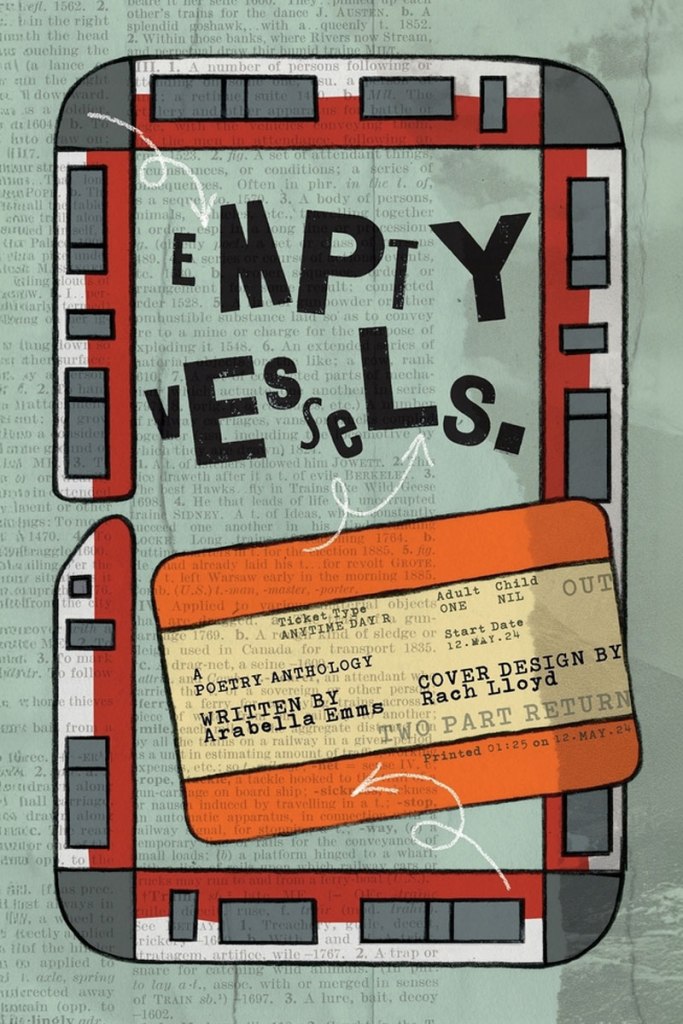
It would be easy to assume I stopped writing poetry after I published my book seeing as since that day I haven’t shared a single new poem with the world.
Whilst I was in the process of writing my book I felt like every second of creative energy had to go into the book and if I didn’t the guilt would eat me up inside. Once the collection was written and edited I took a break from writing poems, I spent time fleshing out my D&D characters backstory some more, I took up crocheting and I played video games again guilt free.
But then that break stopped feeling like a break and more like the new norm.
Before I knew it I’d stopped writing poetry.
Guilt and the Gap
At first, the silence felt like failure to me. Like I’d fallen off some invisible map that writers aren’t supposed to leave or that I was breaking this unspoken code all authors followed. I watched others post poems, get published, go to readings — and yet I stayed quiet.
Don’t get me wrong, I tried to write. I’d sit myself down, notebook and pen at the ready and tell myself today would be the day I’d start writing again… but that day didn’t come, at least not for a while.
What I didn’t realise at the time is that making things with my hands—pouring my creative energy into yarn to make beanies and scarfs or giving emotional depth to my eladrin rogue for D&D — wasn’t a departure from creativity. It was just another dialect of the same language.
I decided that the kindest thing I could do was just accept that I no longer wanted to write poetry and whilst it was sad, it was okay.
It was okay to no longer be a poet.
The return
I didn’t know it but by taking the pressure off myself to write would be the very thing that would help me come back to writing.
Creating poems wasn’t some bang or this flurry of inspiration after reading someone else’s work but a whisper sitting in a coffee shop on a Saturday waiting for an appointment. I was journaling, trying to get scraps of thoughts onto paper and failing miserably to turn half constructed sentences into something meaningful, something that reflected how I felt.
Frustration for not being able to convey how I felt started to build and I just started throwing words onto the page because sod it, who else was going to read my journal. There’s no rule that says your journal entries have to be fully formed sentences.
The strangest things started to happen though, these scraps of thoughts started to become refined, I was finding the words that I needed. The words started to flow, a rhythm in the writing was formed.
Before I knew it a poem was staring back at me from the page.
Now I’m not saying this was a good poem, it wasn’t well structured or refined but it was a poem all the same.
I realised that for me poetry is the purest form of communication I can create. It might not be the easiest to understand nor is it practical in day to day life, but it’s raw and pure. In that moment that was exactly what I needed.
Realising My Why
Since then my approach to writing poems has shifted. I’m not currently working on any long term projects like another book so there’s no need for my writing to be these profound works of art for other people. My work now is intimate, for my eyes only.
All of my poems are proof that I was here, that I felt something, that I tried to make sense of the world in my own strange, quiet way.
One day I may share them with the world but for now my poems are mine and mine alone.
I’m still a poet, just a quiet one and that’s perfectly okay.
My Book – Empty Vessels




Leave a comment